Construction
Construction process
Construction of a transmission line occurs in phases. Often, pre-construction activities are performed within the right-of-way to allow National Grid to verify or collect new information that will aid in the construction of the new transmission line.
Field Assessments/Pre-Construction Activities
During field assessments and pre-construction activities, contracts will work within the existing easement to take samples, identify sensitive species, or clear vegetation.

Soil borings
Drilling small test holes to collect soil samples and evaluate ground conditions for structure foundations.

Utility surveys
Using ground-penetrating radar to locate and map existing underground utilities or features before construction.

Biological surveys
Field studies to identify protected species, habitats, or other environmental constraints in the project area.

Vegetation management
Removing trees, brush, and other vegetation that could interfere with construction or safe operation of the line.
Construction Activities
Once all regulatory agencies approve this Project the access for the construction equipment will be created. This will be done through removal or pruning of large trees and mowing approved access and work pads. Once the area is prepped for construction the base of each transmission line structure will be built. Once structures are in place the transmission line wire will be strung between the structures. After work is completed the land will be restored. Construction is anticipated to begin in 2029.
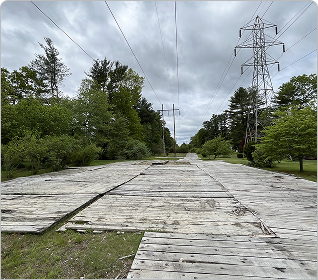
Right-of-way clearing and access routes
Preparing the transmission corridor and establishing temporary or permanent paths for crews and equipment to reach work areas.
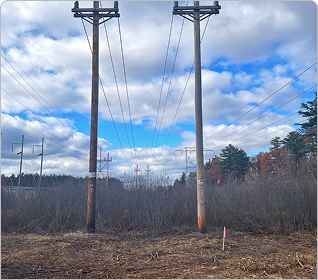
Structure staking
Surveying and marking the precise locations where structures will be installed.
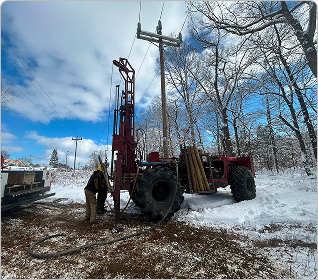
Foundation installation
Excavating and constructing the concrete foundations that support transmission structures.
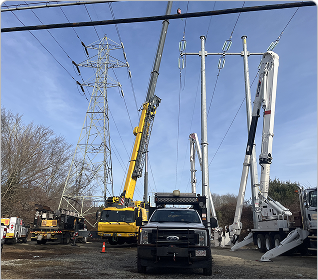
Assemble and set structures
Delivering, assembling, and erecting poles on their foundations.
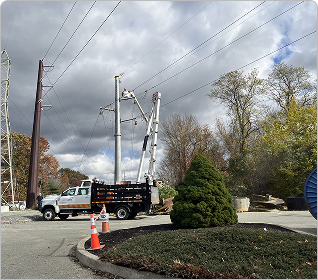
Wire installation
Stringing and securing the conductor wires, shield wires, and related hardware between structures.
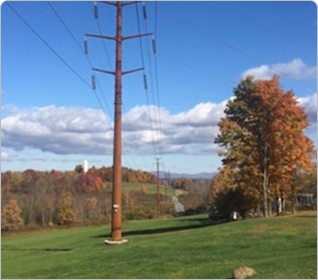
Cleanup and restoration
Removing construction debris, stabilizing disturbed soil, and restoring the work area as close as practical to pre-construction conditions.
Visit our FAQs page to learn more about construction.